AI Research at the FCMH
How Researchers from Central Hessen Are Unlocking the Potentials of Artificial Intelligence
Artificial Intelligence is transforming science – but what does that look like in practice? In this video podcast series, three researchers from universities in Central Hesse offer insights into their work at the intersection of AI and science. From emergency medicine to neuroscience and Explainable AI, they demonstrate how modern AI models and methods are being applied across very different disciplines – and which questions still remain unanswered.
The conversations are personal, scientifically grounded, and aimed at everyone who wants to understand what lies behind the algorithms and who the people are that develop them.
This podcast series is a cooperation between the Forschungscampus Mittelhessen (FCMH) and the EU project AI for Startups at the Technology and Innovation Centre Giessen (TIG), and opens up the research perspective for the podcast "AI Meets Mittelhessen".
Episode 1 -- Kirsten Zantvoort -- Can or Should AI Make Medical Decisions?
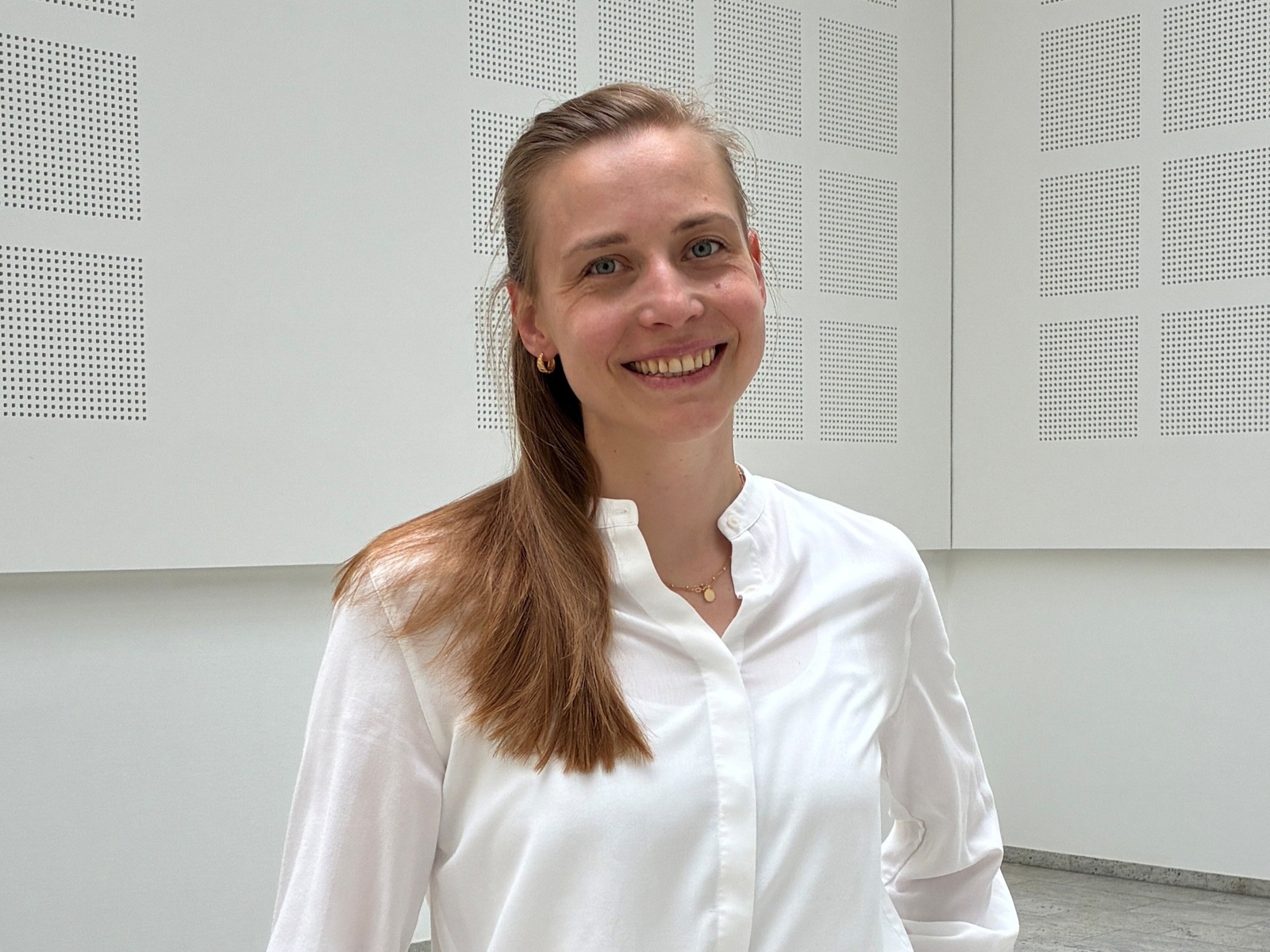
Photo Credit: Kirsten Zantvoort
Dr. rer. nat. Kirsten Zantvoort began her career in the private sector, where she worked for several years in strategic corporate development. She subsequently studied Business Analytics in Oslo and completed her PhD in Data Science at Leuphana University. Her interdisciplinary doctoral research focused on AI-based personalisation of digital psychotherapy, while she simultaneously worked as a Data Scientist in the pharmaceutical industry.
Since April 2025, she has been leading the Data Science Team at the Institute for Artificial Intelligence in Medicine at Marburg University Hospital. The core goal of her work is to bring validated and safe machine learning-based clinical decision support systems into routine care, in close collaboration with clinicians. Her clinical focus lies in emergency medicine, with a particular emphasis on early detection and risk-adapted resource management for conditions such as sepsis.
Watch the first episode here
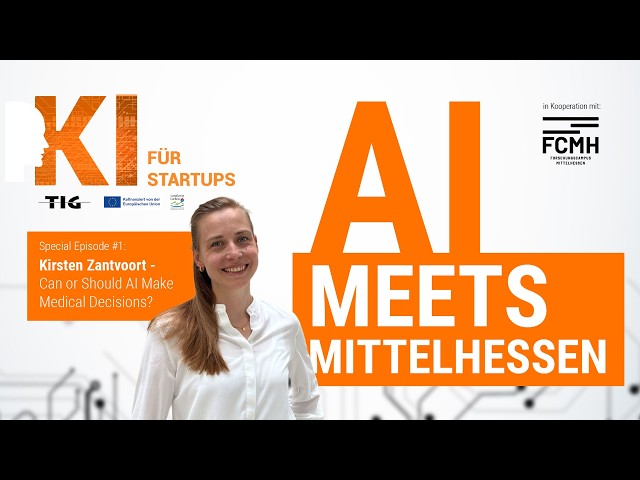
Episode 2 -- Katharina Dobs -- Understanding Human Visual Perception with AI Models
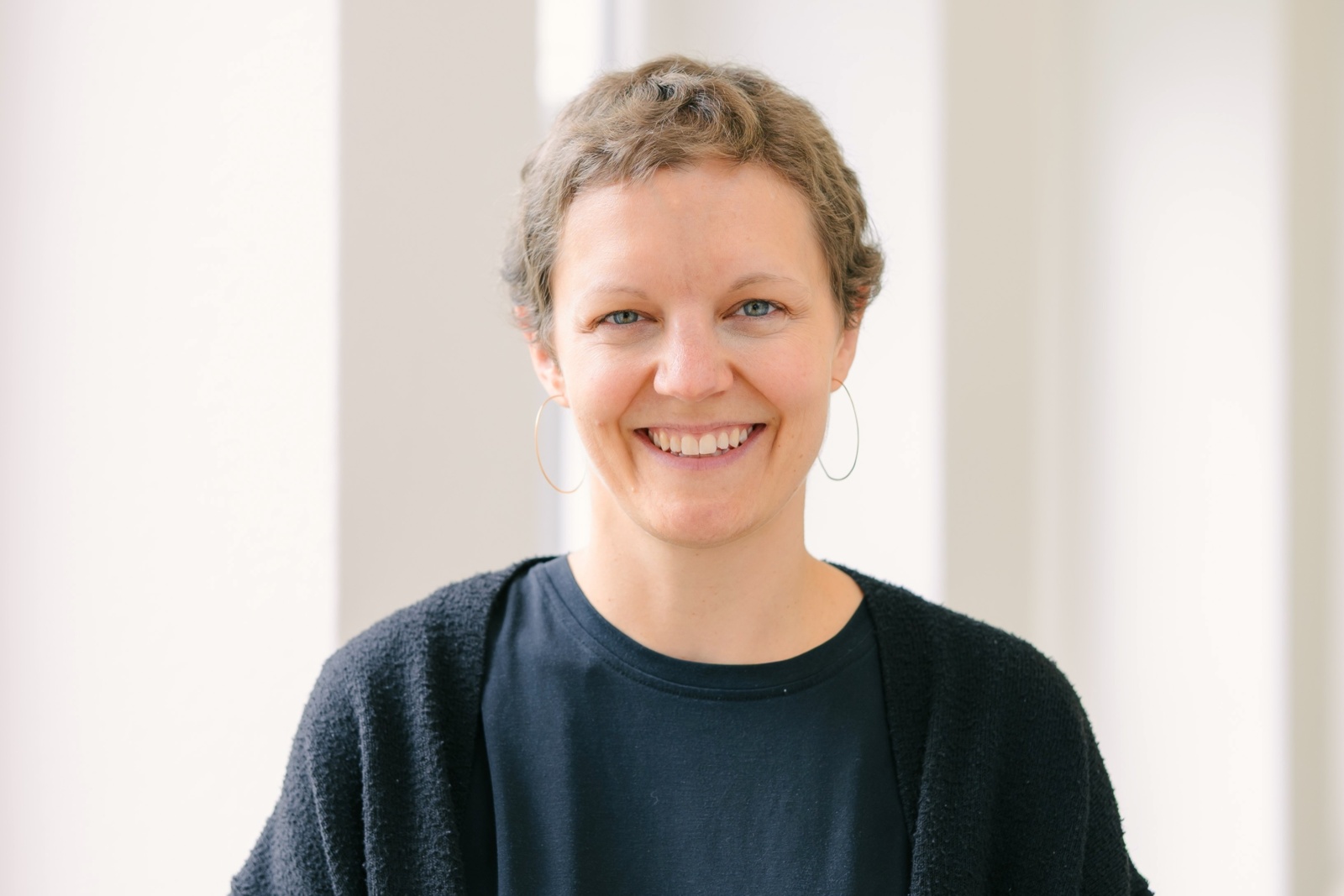
Photo Credit: Katrina Friese / JLU
Prof. Dr. Katharina Dobs has been Professor and LOEWE Start Professor at Justus Liebig University Giessen (JLU) since December 2025, where she leads the Visual Cognition and Computational Neuroscience Lab. Prior to this, she led an independent research group at JLU for several years. Her research investigates how the human brain processes visual information and how artificial neural networks can be used to better understand the mechanisms of perception.
She conducted her postdoctoral research at the Massachusetts Institute of Technology (MIT) in the laboratory of Nancy Kanwisher, supported by a Feodor Lynen Fellowship from the Alexander von Humboldt Foundation, and at CerCo-CNRS in Toulouse with support from the German Research Foundation (DFG). She received her PhD from the Max Planck Institute for Biological Cybernetics and holds degrees in Computer Science and Psychology from Philipps University Marburg. Her research has been recognized with several awards, including an ERC Starting Grant from the European Union and the Heinz Maier-Leibnitz Prize of the DFG. Her research group is part of the The Adaptive Mind Cluster of Excellence and is affiliated with the Center for Applied Computer Science and Data Science (ZAD) as well as the Center for Mind, Brain and Behavior (CMBB).
Watch the second episode here
Episode 3 -- Jennifer Hannig -- Explaining Explainable AI
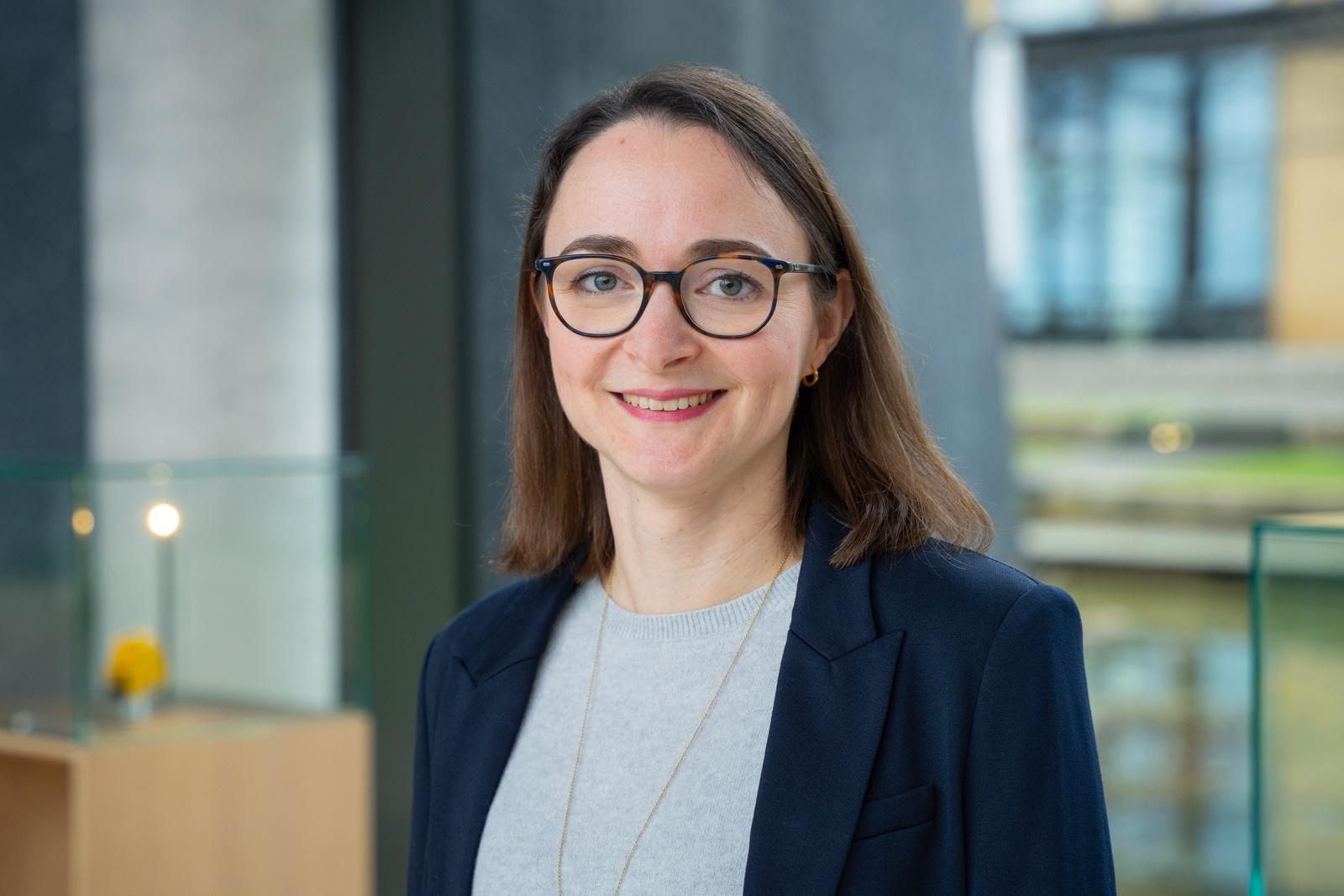
Photo Credit: Nicholas Haim
Prof. Dr. Jennifer Hannig is a Professor of Artificial Intelligence at the Technische Hochschule Mittelhessen - University of Applied Sciences and a researcher within hessian.AI - The Hessian Center for Artificial Intelligence.
Her research focuses on explainable and trustworthy artificial intelligence. She leads a junior research group funded by the Federal Ministry of Research, Technology and Space (BMFTR) focusing on explainable artificial intelligence for time-series data.